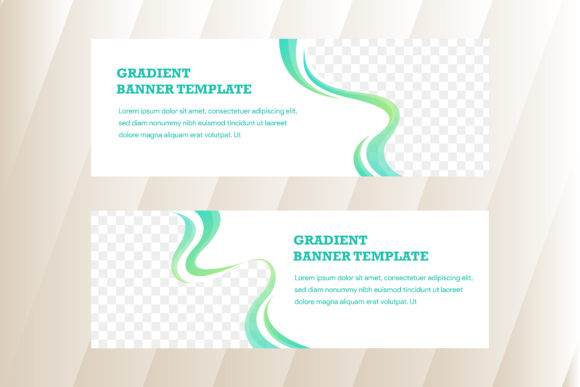
Wave Green Gradient Horizontal Banner: Modern Design for Dynamic Web Presence
In the evolving landscape of digital design, aesthetics and functionality must coexist seamlessly. One such element that has gained traction among designers and marketers alike is the wave green gradient horizontal banner. This modern design component combines fluid geometric shapes with a calming green gradient, offering a visually appealing and versatile solution for websites, marketing materials, and creative presentations.
What Makes the Wave Green Gradient Horizontal Banner Stand Out?
The wave green gradient horizontal banner is more than just a decorative graphic — it's a strategic design choice. Characterized by smooth, undulating lines and a rich green gradient, this banner style integrates abstract motion into static visuals. It can serve as a background, a content divider, or a highlight element for promotions, infographics, and landing pages.
Designers often use this banner in conjunction with media type vectors, allowing for scalability without loss of quality. Whether applied to a corporate website, a personal blog, or a digital storefront, the banner's modern aesthetic aligns well with current web design trends that emphasize clean layouts and visual storytelling.
Why Green? The Psychology and Practicality Behind the Color
Green is a color associated with growth, renewal, and balance — making it a smart choice for brands focused on sustainability, wellness, or innovation. The wave green gradient horizontal banner leverages this psychological impact to create a sense of calm while maintaining visual interest. In practical terms, green gradients also blend well with both light and dark themes, offering flexibility in layout design and brand integration.
For businesses and content creators, using a green gradient banner can help differentiate their online presence from competitors who rely on standard colors like blue or red. It's a subtle but effective way to reinforce brand personality and stand out in a crowded digital space.
From Static to Dynamic: The Evolution of Web Banners
Web banners have come a long way from the pixelated ads of the early internet era. Today, they are a core part of user experience design and visual communication. The wave green gradient horizontal banner represents a shift toward more expressive, abstract, and interactive elements that enhance both aesthetics and engagement.
Modern users expect websites to be not only informative but also visually stimulating. This expectation has led to the rise of abstract web banner templates that incorporate geometric shapes, fluid patterns, and gradient overlays. These banners are often created using vector graphics, which allow for crisp visuals across devices and screen sizes — a necessity in today's responsive web environment.
How Wave Banners Fit Into Current Design Trends
Design trends in 2024 continue to favor minimalism with a twist — think clean layouts enhanced by dynamic visual elements. The wave green gradient horizontal banner fits perfectly into this trend by adding movement and texture without overwhelming the user. It works especially well in landing page designs, product showcases, and marketing banners where a balance between creativity and clarity is essential.
Moreover, as remote work and digital collaboration become the norm, professionals across industries — from entrepreneurs to educators — are increasingly turning to pre-designed templates that save time while maintaining a polished look. Sets of abstract web banner templates with green gradient elements offer a ready-to-use solution that can be customized for various purposes, including:
- Website headers and footers
- Social media covers
- Promotional banners for e-commerce
- Event or webinar announcements
- Infographic layouts
Practical Applications for Businesses and Creators
Whether you're launching a new product, redesigning a homepage, or creating a presentation for stakeholders, the wave green gradient horizontal banner offers a versatile and modern design solution. Here are some real-world applications where this banner can make a difference:
- E-commerce promotions: Use a green gradient banner to highlight a seasonal sale or limited-time offer. The gradient adds a premium feel, while the wave design draws attention without being distracting.
- Corporate websites: Integrate the banner into your About or Services page to create a visual break between content sections. This enhances readability and guides the user's eye naturally through the page.
- Blog headers: For bloggers and content creators, these banners can serve as featured images or category headers, reinforcing brand consistency across posts.
- Digital presentations: Whether for a pitch deck or a conference talk, abstract banners with green gradients add a modern touch to slides and help emphasize key points.
- Marketing materials: From email headers to landing page banners, this design element ensures your brand stands out while maintaining a professional tone.
Choosing the Right Template for Your Needs
When selecting a wave green gradient horizontal banner, it's important to consider how it aligns with your brand's voice and the platform where it will be used. Many graphic resource platforms offer vector-based templates that allow for easy customization of colors, layout, and text placement.
Look for templates that include:
- Adjustable wave shapes and gradient intensity
- White space for text or photo overlays
- Compatibility with common design software (e.g., Adobe Illustrator, Figma, Canva)
- Responsive design for both desktop and mobile views
Some templates also feature abstract lines and waves that can be layered or repositioned to suit different design needs. The green gradient element often serves as a border for a photo space on either the left or right side, creating a dynamic interplay between imagery and color.
Designing with Purpose: Tips for Effective Use
To get the most out of your wave green gradient horizontal banner, keep these design tips in mind:
- Balance is key: Don't overcrowd the banner with text or images. Let the gradient and wave elements breathe to maintain visual harmony.
- Match your brand palette: While green is the dominant color, ensure other elements on the page complement the gradient tone for a cohesive look.
- Use it strategically: Place banners where they can guide the user's journey — such as above the fold, between content sections, or alongside call-to-action buttons.
- Optimize for performance: Even though vector banners are lightweight, ensure your overall page load speed remains efficient by compressing images and using minimal animations.
Looking Ahead: The Future of Web Banners and Design Elements
As web design continues to evolve, the demand for modern, abstract, and customizable design elements will only grow. The wave green gradient horizontal banner is a prime example of how subtle design choices can have a significant impact on user engagement and brand perception.
With the increasing use of AI-powered design tools and automated layout generators, we can expect to see more adaptive banner templates that respond to user behavior or device orientation. However, the foundational appeal of a well-crafted, aesthetically pleasing banner remains unchanged — and the wave green gradient style is well-positioned to remain a favorite among designers and marketers alike.