Understanding the Role and Relevance of Mosque Illustration in Modern Creative Design
In today's visually-driven digital landscape, the mosque illustration has emerged as a powerful and versatile design asset. More than just an architectural depiction, it represents cultural identity, spiritual significance, and artistic craftsmanship. Whether used in web design, mobile applications, or marketing materials, mosque illustrations offer a unique blend of tradition and modernity that resonates with diverse audiences.
What Is a Mosque Illustration?
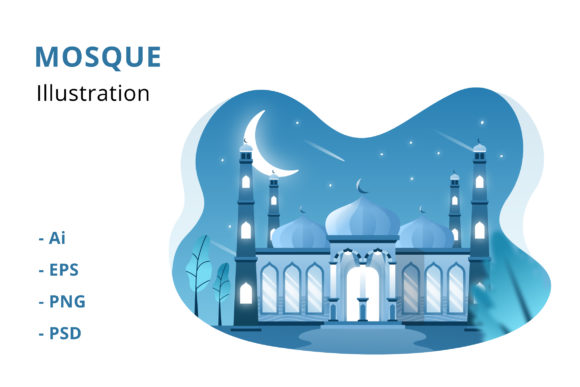
A mosque illustration is a digital artwork that visually represents a mosque — a sacred space for Muslim worship. These illustrations often feature iconic architectural elements such as domes, minarets, intricate geometric patterns, and calligraphic details. Unlike photographs, illustrations allow for creative interpretation and stylization, making them ideal for a wide range of digital and print applications.
Most mosque illustrations are created using vector-based formats, ensuring scalability without loss of quality. They are typically compatible with popular design software such as Adobe Illustrator and Photoshop, allowing for seamless integration into various design workflows.
The Growing Demand for Culturally Inclusive Design
In recent years, there has been a noticeable shift toward inclusive and culturally sensitive design practices. Brands, educators, and content creators are increasingly aware of the importance of representing diverse communities accurately and respectfully. The mosque illustration plays a vital role in this movement by providing a visually engaging and culturally appropriate representation of Islamic architecture.
This trend is particularly relevant in industries such as education, tourism, religious services, and interfaith communication, where visual content must reflect the values and identities of global audiences. As digital platforms expand their reach across borders, the need for culturally resonant design assets like mosque illustrations continues to grow.
Why Professionals Are Turning to Mosque Illustrations
Designers, marketers, and developers are increasingly adopting mosque illustrations due to their versatility and adaptability. Here are some of the key reasons behind this growing preference:
- Visual Appeal: The intricate details and symmetrical beauty of mosque architecture make for compelling visual content.
- Brand Identity: For organizations and platforms serving Muslim communities, mosque illustrations help establish cultural relevance and trust.
- Scalability: Being vector-based, these illustrations can be resized for use across multiple platforms — from mobile apps to large-format posters.
- Customization: Designers can easily tweak colors, styles, and layouts to align with brand guidelines or thematic needs.
Applications Across Industries and Platforms
The mosque illustration is not limited to religious contexts alone. Its applications span a wide range of industries and use cases:
- Web and App Design: Used as background elements, icons, or featured graphics to enhance user experience and cultural inclusivity.
- Educational Content: Integrated into e-learning modules, textbooks, and presentations to teach about Islamic culture and architecture.
- Marketing and Advertising: Employed in campaigns targeting Muslim audiences, especially during religious holidays like Ramadan and Eid.
- Social Media Graphics: Ideal for creating engaging posts, stories, and banners that reflect cultural themes and values.
- Infographics and Reports: Used to visually represent data related to Muslim populations, religious practices, or cultural trends.
Meeting the Evolving Needs of Designers and Audiences
As digital design continues to evolve, so too do the expectations of both creators and consumers. Modern audiences seek authenticity, cultural sensitivity, and visual clarity in the content they engage with. In response, designers are looking for high-quality, ready-to-use assets that can be quickly integrated into their projects without compromising on style or meaning.
This is where the mosque illustration shines. With its combination of cultural depth and design flexibility, it meets the demands of a rapidly changing creative landscape. Moreover, as remote work and digital collaboration become the norm, having scalable, editable design elements like mosque illustrations is more important than ever.
Case Studies: Real-World Use of Mosque Illustrations
Several brands and organizations have successfully incorporated mosque illustrations into their visual strategies. For instance:
- An online learning platform integrated mosque illustrations into its Islamic studies curriculum, enhancing engagement and cultural immersion for students.
- A global charity organization used mosque illustrations in its Ramadan campaign, resulting in a 25% increase in social media engagement.
- A mobile app designed for prayer times and Quranic recitations adopted mosque illustrations as part of its UI, improving user satisfaction and retention.
These examples demonstrate how thoughtfully designed illustrations can enhance both functionality and emotional connection in digital experiences.
Looking Ahead: The Future of Mosque Illustration in Design
As the creative industry moves toward more inclusive, user-centered design, the role of culturally meaningful assets like the mosque illustration will only expand. Advances in design tools and platforms are making it easier than ever to create and customize illustrations that reflect diverse identities and values.
Furthermore, with the rise of AI-driven design systems and automated workflows, the demand for high-quality, ready-to-use vector graphics is on the rise. The mosque illustration, with its scalability and adaptability, is well-positioned to meet these evolving needs.
For professionals across design, marketing, education, and technology, embracing culturally relevant visual elements is not just a trend — it's a strategic advantage. By incorporating mosque illustrations into their creative toolkit, creators can build more meaningful, inclusive, and visually compelling experiences for global audiences.