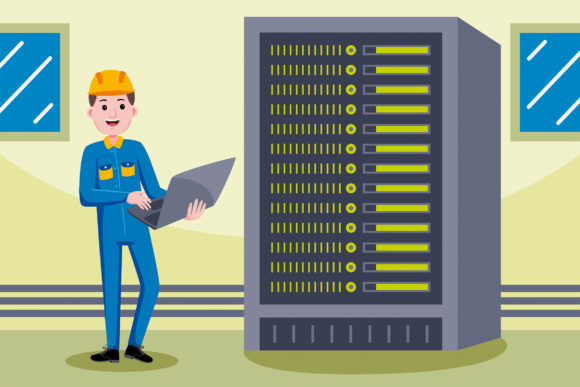
Network Engineer Profession: What You Need to Know Before You Start
Understanding the Role and Its Appeal
A career in the Network Engineer Profession offers a mix of technical challenge, problem-solving, and the opportunity to work in a constantly evolving field. Network engineers design, implement, and maintain communication systems that allow organizations to operate efficiently. Whether it's setting up a secure corporate network or ensuring seamless internet access for a growing business, the role is vital in today's digital world.
Many people are drawn to this profession because of its stability, competitive salary, and the chance to continuously learn. As businesses rely more on cloud services, cybersecurity, and remote connectivity, the demand for skilled network engineers continues to rise. However, entering this field—or even using network-related tools and resources—comes with its own set of potential pitfalls.
Common Mistakes People Make When Starting Out
One of the most frequent mistakes is jumping into the Network Engineer Profession without a clear understanding of what the job entails. Some assume it's all about configuring routers and switches, but modern network roles often require knowledge of automation, scripting, and software-defined networking.
Another common error is investing in the wrong certifications or training programs. Not all courses are created equal, and some may not align with real-world job requirements. This can lead to wasted time, money, and frustration when applying for jobs or trying to advance in the field.
Overlooking the Importance of Practical Experience
Many aspiring network engineers focus too heavily on theory and certification exams while neglecting hands-on practice. Without lab environments or real-world simulations, it's difficult to truly grasp network behavior, troubleshooting, and design principles. This gap can make transitioning into a professional role much harder than necessary.
The solution is to pair learning with practice. Use virtual labs, home network setups, or cloud-based platforms to apply what you're learning. This builds confidence and makes you more attractive to employers looking for candidates who can hit the ground running.
Misunderstanding the Tools and Resources Available
When it comes to tools like network diagrams, templates, and visual assets—especially those related to the Network Engineer Profession—many people overlook the value of high-quality, customizable resources. Some opt for generic images or outdated visuals, which can hurt the clarity and professionalism of presentations, reports, or marketing materials.
For example, using low-resolution images or non-editable graphics in a client proposal can make your work appear unpolished. On the other hand, having access to a library of 100 vector illustrations, including network diagrams, device icons, and topology visuals, can greatly enhance your ability to communicate complex ideas clearly.
Choosing the Wrong Visual Assets for Your Needs
Many professionals underestimate the importance of scalable, editable visuals. If you're creating a presentation or designing a training module, you need graphics that can be resized without losing quality and customized to fit your brand colors and style. This is where assets like AI, EPS, PDF, and high-resolution JPG files become essential.
For instance, imagine trying to use a small, blurry image of a network topology in a printed brochure. It won’t look professional and could reflect poorly on your credibility. In contrast, using a 4000 x 6000 pixel graphic that you can easily edit and resize ensures your materials always look sharp and consistent.
Not Checking Compatibility and Licensing
Before downloading or purchasing any visual resources for the Network Engineer Profession, always verify compatibility and licensing. Some files may only work with specific software like Adobe Illustrator, and others may have usage restrictions that prevent commercial use or redistribution.
This oversight can lead to wasted purchases or even legal issues down the line. Always read the fine print and make sure the files you're using—whether for personal, educational, or commercial use—are fully licensed and compatible with your workflow.
How to Make Better Choices in the Network Engineer Profession
Start by clearly defining your goals. Are you entering the field as a career? Are you a professional looking to improve your presentations or marketing materials? Knowing your purpose will help you choose the right tools, certifications, and learning paths.
When selecting visual assets, look for packages that offer multiple file formats (AI, EPS, PDF, JPG) and high resolution. These ensure flexibility and quality across different mediums—whether you're printing a poster, designing a website, or building a slide deck.
Also, don't be afraid to mix and match elements. Combining different illustrations can help you create unique visuals tailored to your specific needs. For example, you might combine a router icon with a firewall graphic to illustrate a security setup, or layer network paths to show data flow.
Final Tips for Success
Always test your visuals in the context they'll be used. A graphic that looks great on screen may not translate well to print, or may be too detailed for a quick presentation slide. Adjusting colors, simplifying elements, or resizing appropriately can make a big difference in how your message is received.
Stay updated with industry trends. The Network Engineer Profession is always evolving, and so are the tools used to support it. Keeping up with changes in network design, visualization tools, and best practices will help you stay relevant and effective in your work.
Conclusion
Whether you're just starting out or looking to enhance your current materials, being mindful of the tools and resources you use in the Network Engineer Profession can have a significant impact on your success. Avoiding common mistakes—like underestimating the need for practical experience or choosing the wrong visual assets—can save you time, money, and frustration in the long run.
By focusing on quality, compatibility, and customization, you’ll be better equipped to present your ideas clearly and professionally, no matter your audience or purpose.