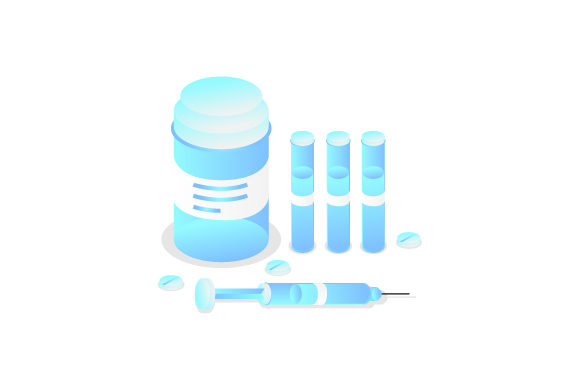
Isometric Design for Medicine Concept Art
Isometric design has become a go-to visual style for creators who want to communicate complex ideas clearly and creatively. When applied to medicine concept design, it offers a unique way to visualize health-related topics in a structured yet engaging format. Whether you're designing an infographic banner, a presentation slide, or a digital illustration, isometric design medicine concept design provides a scalable, adaptable framework that supports clarity and visual appeal.
What Makes Isometric Medicine Design Stand Out?
At its core, isometric design uses a 3D-like perspective drawn in 2D, giving objects a sense of depth without the complexity of full 3D modeling. This approach works especially well for medicine-related visuals because it allows for precise, layered storytelling. For example, you can illustrate a human body system, a medical device, or a treatment process with clean lines and consistent angles that guide the viewer's eye naturally through the content.
One of the biggest advantages of using isometric design medicine concept design vectors is that they're scalable and editable. With formats like AI, EPS, JPG, and PNG included, you can use these assets across a variety of platforms—from print banners to digital dashboards. This flexibility makes isometric design ideal for creators who need to adapt visuals for different audiences and formats without losing quality or coherence.
Creative Applications for Medicine Concept Design
Isometric design opens up a wide range of creative possibilities, especially when it comes to health and medicine. Here are a few practical applications to consider:
- Medical Infographics: Use isometric illustrations to break down complex medical procedures or anatomy into digestible visuals. For example, a heart surgery infographic can show each step in a layered, angled view that makes it easier to follow.
- Health Campaign Banners: Design banners that explain public health initiatives like vaccination drives or mental health awareness campaigns using a cohesive isometric layout.
- Medical App UI/UX: Integrate isometric icons or illustrations into healthcare apps to make navigation and explanations more intuitive for users.
- Educational Materials: Teachers and educators can use isometric design medicine concept design to create visual aids that simplify biology, pharmacology, or nursing topics.
Each of these applications benefits from the clarity and structure that isometric design brings. Whether you're targeting professionals or the general public, isometric visuals can help make complex medical ideas more accessible and engaging.
Designing for Different Audiences and Goals
One of the strengths of isometric design medicine concept design is its adaptability. The same base illustration can be styled differently to suit various audiences and purposes:
- For Medical Professionals: Use detailed, accurate depictions of anatomy, equipment, or processes. Keep the color palette professional and the layout data-dense but organized.
- For Patients or the Public: Simplify the visuals and focus on clarity. Use warm colors and soft lines to make the content more approachable and less clinical.
- For Marketing Materials: Combine isometric design with bold typography and calls to action. Use contrasting colors to highlight key messages or offers.
When designing for different platforms, keep in mind how the visual will be viewed. A mobile banner might need a simplified layout compared to a large print poster. Vector files like AI and EPS allow you to scale and adjust without compromising quality, making them ideal for multi-format use.
Styling and Variations in Isometric Medicine Design
Isometric design isn't a one-size-fits-all approach. You can vary the style depending on your project's tone and audience. Here are a few options to explore:
- Flat Isometric: Clean, minimal, and modern. Ideal for digital content and mobile apps where simplicity is key.
- Line Art Isometric: Focuses on outlines and structure, often used in educational diagrams or schematics.
- Color-Heavy Isometric: Uses bold, vibrant colors to draw attention and create emotional impact. Great for campaigns and posters.
- Monochrome or Duotone: Offers a sleek, professional look that works well in reports or presentations.
Experimenting with these styles can help you find the right balance between aesthetics and functionality. Don't be afraid to mix elements—like adding subtle textures to a flat design or combining line art with soft shading—to create a unique look that fits your project's purpose.
How to Keep Your Isometric Medicine Designs Effective
While isometric design offers a lot of creative freedom, it's important to maintain clarity and consistency. Here are a few tips to keep your designs effective:
- Stick to a consistent angle: All elements should follow the same isometric grid to maintain visual harmony.
- Use color intentionally: Choose a palette that supports readability and aligns with your message. Avoid using too many competing colors.
- Label clearly: Even the best illustration can be confusing without clear text labels and directional cues.
- Balance detail and simplicity: Don’t overcrowd the design. Leave enough white space to let the visuals breathe.
- Test for legibility: View your design at different sizes and on different devices to ensure it remains clear and effective.
By following these principles, you can ensure that your isometric design medicine concept design communicates its message clearly while still being visually engaging.
Project Ideas to Try with Isometric Medicine Design
If you're looking for inspiration, here are a few project ideas that make great use of isometric design medicine concept design:
- Interactive Health Timeline: Create a scrollable infographic that walks users through the history of a disease or treatment method using isometric icons and illustrations.
- Medical App Tutorial: Use isometric visuals to guide users through the features of a healthcare app, making the learning process visual and intuitive.
- Pharmaceutical Product Guide: Illustrate how a medication works in the body using layered isometric views that show molecular interactions and effects.
- Wellness Infographic Series: Design a set of banners or posters that explain different aspects of wellness—like sleep, nutrition, and exercise—using a consistent isometric style.
These ideas are just starting points. The key is to match the visual complexity and tone to your audience's needs while keeping the design clean and easy to understand.
Final Thoughts
Isometric design medicine concept design is more than just a visual trend—it's a practical tool for communicating complex medical information in a way that's both engaging and understandable. Whether you're a designer, educator, marketer, or healthcare professional, incorporating isometric visuals into your work can help you connect with your audience more effectively. With the right approach and a bit of creativity, you can turn technical content into compelling visuals that inform, inspire, and engage.