How to Wear Face Mask Correctly
Understanding the Basics of Proper Face Mask Use
Wearing a face mask correctly isn't just about covering your nose and mouth—it's about ensuring protection, comfort, and effectiveness in different environments. Whether you're in a crowded subway, a grocery store, or a healthcare setting, the way you wear your mask can significantly impact its ability to prevent the spread of germs, including the COVID-19 coronavirus.
Many people assume that any mask, worn any way, offers the same level of protection. But in reality, improper use can reduce effectiveness and even create a false sense of security. The key is to understand the right and wrong way to wear a mask and apply that knowledge consistently.
Right and Wrong Ways to Wear a Mask
Let’s break down some of the most common mistakes people make when wearing face masks:
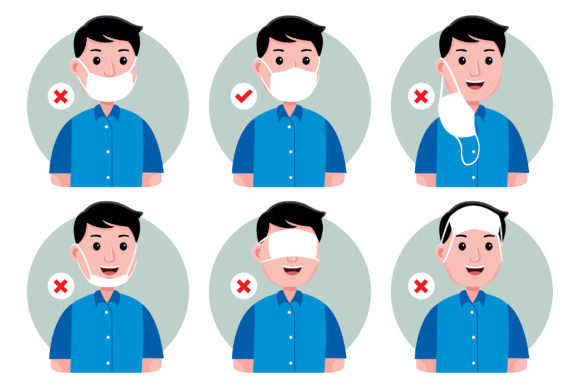
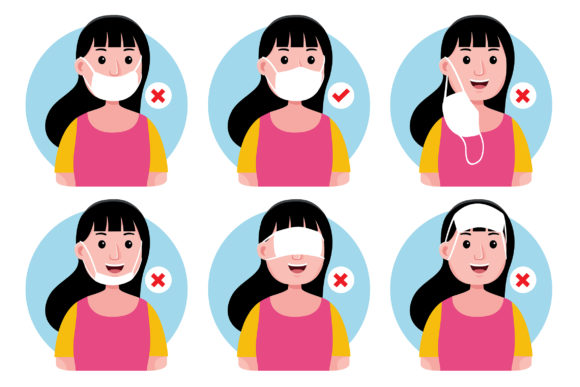
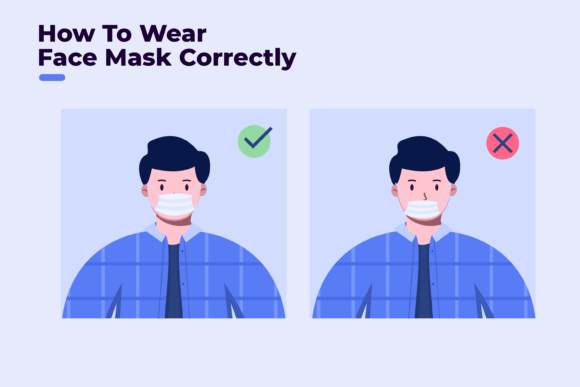
- Leaving the nose exposed: The mask should cover both your nose and mouth completely. Leaving your nose uncovered defeats the purpose of wearing a mask.
- Touching the front of the mask: Once the mask is on, avoid touching the front surface, which may have collected airborne particles.
- Slipping below the chin: A mask that's pulled down to your neck or under your chin is useless. It needs to stay securely in place over your nose and under your chin.
- Using a damp or dirty mask: Masks should be clean and dry. Reusable cloth masks must be washed regularly, and disposable masks should be replaced when soiled or damp.
These small but significant errors can compromise your safety and those around you. Learning how to wear your face mask correctly helps maintain its protective barrier and ensures it works as intended.
Scenarios Where Proper Mask Use Matters Most
There are many real-world situations where knowing how to wear face mask properly makes a difference. Consider these examples:
- Public transportation: In enclosed spaces like buses, trains, or subways, masks are essential. Ensure your mask fits snugly against your face and doesn’t shift when you move your head.
- Shopping centers and markets: With frequent interactions and high foot traffic, wearing a mask properly helps reduce the risk of airborne transmission.
- Healthcare environments: Medical professionals and visitors must wear surgical or N95 masks correctly, ensuring a tight seal and no gaps around the edges.
- Indoor gatherings: Even among friends, masks should be worn properly to prevent the spread of respiratory droplets, especially if not everyone is vaccinated.
Each of these scenarios requires attention to detail. The same mask worn improperly in one setting may not offer the same protection in another.
Choosing the Right Mask for Your Needs
Before you can wear a mask correctly, you need to choose the right type. Not all masks are created equal:
- Cloth masks: Ideal for everyday use, especially in low-risk environments. Look for masks with multiple layers and a snug fit.
- Surgical masks: Often used in medical settings, these disposable masks are designed to block larger droplets and splashes.
- N95 respirators: These offer the highest level of filtration and should be reserved for healthcare workers or those in high-risk situations.
When selecting a mask, consider the environment you'll be in, the level of risk, and how long you'll need to wear it. Comfort and fit are also important—there's no point in having a great mask if you won't wear it right.
Design and Usability: Masks in Visual Communication
As the importance of mask-wearing became global, so did the need for clear visual communication. Infographics explaining the prevention of COVID-19 coronavirus often include step-by-step guides on how to wear your face mask correctly. These visuals help bridge language barriers and ensure consistent messaging.
Such infographics are widely used in various formats, including:
- PNG files: Great for digital use on websites and social media platforms.
- SVG files: Scalable vector graphics that maintain quality at any size, ideal for banners and presentations.
- PDF files: Perfect for printing posters, flyers, or informational handouts.
- EPS files: Commonly used in professional graphic design for logos and illustrations.
These formats make it easy to adapt mask-wearing instructions for different audiences and platforms, from animated motion graphics to printed posters in public spaces.
Common Mistakes and How to Avoid Them
Even with the best intentions, people often make mistakes when wearing masks. Here are some of the most common issues and how to fix them:
- Masks that don’t fit well: If your mask slips or gaps around the sides, consider a mask with adjustable ear loops or a nose wire to help it conform to your face.
- Improper storage: Never leave your mask dangling around your neck or in your pocket. Store it in a clean, breathable bag when not in use.
- Double masking without reason: Wearing two masks may seem like a good idea, but unless you're in a high-risk setting, it can cause discomfort and improper fit.
- Overuse of disposable masks: Disposable masks are meant for single use. Reusing them can trap moisture and bacteria, reducing effectiveness and increasing risk.
By recognizing these mistakes while wearing face mask, you can take steps to avoid them and ensure your mask performs as expected.
Who Benefits Most from Proper Mask Use?
Proper mask use benefits everyone, but some groups benefit more than others:
- Frontline workers: Healthcare professionals and first responders rely on proper mask use to protect themselves and their patients.
- Immunocompromised individuals: People with weakened immune systems depend on others wearing masks correctly to reduce their exposure risk.
- Parents and teachers: Those working with children must wear masks properly to prevent the spread of illness in schools and daycare settings.
- Travelers: Airports and airplanes require consistent mask use. Wearing a mask correctly ensures comfort and compliance during long flights.
Each of these groups has unique needs, but the principle remains the same: a mask is only as effective as the way it's worn.
Final Thoughts on Mask-Wearing Etiquette
Wearing a mask is a small but powerful action that contributes to community health. By understanding how to wear face mask correctly, you not only protect yourself but also those around you. Whether you're using a mask for personal safety, professional requirements, or public health guidelines, the right approach makes all the difference.
As mask-wearing continues to be a part of daily life in many settings, staying informed and practicing proper use ensures that we all stay safer together.