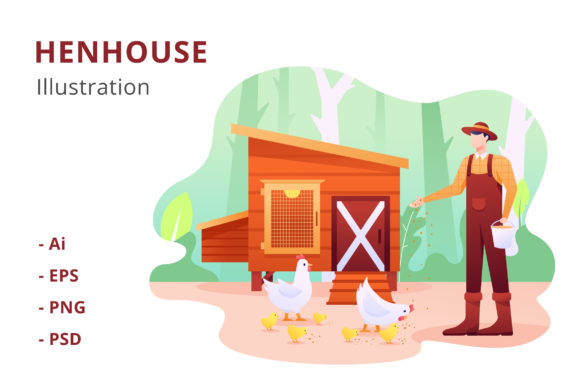
Henhouse Illustration: A Versatile Visual Asset for Creative and Professional Projects
The Henhouse Illustration is more than just a charming depiction of a small structure for chickens or other fowl. It serves as a practical visual resource that can enhance a wide range of digital and print materials. Whether you're designing a website, developing a mobile app, or creating educational content, this vector-based illustration offers flexibility and functionality. Its rural aesthetic makes it particularly useful for projects centered around agriculture, sustainability, homesteading, or pastoral themes.
Understanding the Role of Henhouse Illustration in Visual Communication
In visual storytelling, the right imagery can make a significant difference in how content is perceived and understood. The Henhouse Illustration provides a clean, scalable, and context-rich image that communicates ideas related to farming, animal care, or backyard living. As a vector-based graphic, it can be resized without losing quality, making it suitable for everything from social media thumbnails to large-format infographics.
Its design integrates well into broader visual narratives. For example, in educational materials about animal husbandry, the illustration can serve as an anchor image. In marketing materials for eco-friendly products, it can reinforce the theme of natural living. The illustration’s adaptability allows it to be used as a standalone element or as part of a larger set of graphics.
How Henhouse Illustration Fits Into Creative Workflows
Before diving into a design or content project, it's essential to consider the visual assets that will support the message. The Henhouse Illustration can be integrated at multiple stages of a creative workflow:
- Pre-production: Use the illustration in mood boards or concept sketches to establish the visual direction of a project.
- Design phase: Incorporate it into layouts for websites, presentations, or marketing collateral using Adobe Illustrator or Photoshop.
- Post-production: Repurpose the illustration in social media posts, blog graphics, or infographic summaries to maintain visual consistency.
Because the illustration is compatible with major design software and is 100% vector-based, it can be easily edited and customized. Designers can adjust colors, scale, or add effects without compromising image integrity. This makes it ideal for teams that need to maintain brand consistency across various formats and platforms.
Compatibility and Integration with Other Tools
One of the standout features of the Henhouse Illustration is its compatibility with Adobe Illustrator and Photoshop. This ensures seamless integration into existing design ecosystems. Whether you're working on a complex UI design or a simple print layout, the illustration can be layered, masked, or combined with other assets without technical hurdles.
For marketers and content creators, the illustration can be exported into common web formats like PNG or JPEG for use on websites and mobile apps. Educators and bloggers can embed it directly into slides or articles to visually reinforce key points. Additionally, because it’s vector-based, it can be scaled for print materials such as posters or brochures without resolution issues.
Practical Use Cases Across Industries
The versatility of the Henhouse Illustration extends beyond agricultural themes. Here are some practical applications across different fields:
- Educational Content: Illustrate lessons on animal care, rural life, or sustainability projects in schools or online courses.
- Marketing and Branding: Support eco-friendly or farm-to-table brand messaging in brochures, packaging, or digital ads.
- UI/UX Design: Use as an icon or background element in apps focused on gardening, farming, or lifestyle tracking.
- Social Media Graphics: Create engaging posts for homesteading, poultry farming, or DIY communities on platforms like Instagram or Pinterest.
- Infographics: Visualize data about backyard farming trends, egg production, or sustainable living practices.
Each of these applications benefits from the illustration’s clarity and adaptability. It supports both aesthetic and informational goals, making it a valuable asset for creators who need to convey specific ideas with visual precision.
Preparation and Workflow Tips
To get the most out of the Henhouse Illustration, consider the following workflow tips:
- Organize your assets: Store the illustration in a centralized design folder with consistent naming conventions for easy retrieval.
- Customize thoughtfully: Adjust colors or details to match your brand palette or project tone, but avoid over-editing that might distort the original intent.
- Use in combination: Pair the illustration with complementary graphics like chickens, nests, or garden tools to create cohesive visual themes.
- Optimize for platform: Export at appropriate resolutions for web or print, and consider responsive design needs for mobile applications.
By integrating the illustration into your design process with intention, you ensure that it enhances rather than distracts from your core message.
Long-Term Value and Reusability
Investing in high-quality, reusable visual assets like the Henhouse Illustration pays off over time. Because it’s vector-based and compatible with leading design tools, it can be reused across multiple projects with minimal adjustments. This not only saves time but also contributes to a more consistent visual identity across your work.
For entrepreneurs and small business owners, having a library of such assets streamlines content creation and reduces reliance on external designers. For educators and bloggers, it supports the development of visually engaging materials that resonate with audiences. And for creative professionals, it serves as a reliable component in a broader toolkit of design resources.
Final Thoughts on Implementation
Incorporating the Henhouse Illustration into your workflow is a practical way to enhance visual communication without compromising efficiency. Whether used in a digital campaign, educational module, or branding effort, it offers a clean, scalable solution that aligns with both creative and functional goals. By planning its use thoughtfully and integrating it alongside other design elements, you ensure that it contributes meaningfully to your project’s success.